

Pick three designs, not thirty. One identity design with your mascot, one premium everyday shirt people will actually wear to class, and one seasonal or event drop for homecoming or senior week. That combination covers the widest range of tastes without leaving you with boxes of unsold shirts. Below, you’ll find 12 school spirit wear design ideas that back this approach, plus print methods, product fit, and a step-by-step ordering checklist. Shay’s Print Shop can fulfill the whole order, including its 10-for-$99 bulk shirt package.
TL;DR:
- Focusing on three core designs—a mascot, a versatile everyday shirt, and a seasonal drop—maximizes appeal and minimizes unsold inventory.
- Screen printing is most cost-effective for orders over 30 units, while DTG or DTF suits under 24 units or designs with fine detail.
- Place designs thoughtfully: mascot illustrations work best on the back or full front, while small logos suit sleeve or chest placement.
- Using only two or three school colors and simplified mascot artwork ensures clarity, consistency, and affordability across all shirts.
- Testing designs with students before mass production increases the likelihood of shirts being worn and appreciated, saving money and effort.
Table of Contents
- 12 School Spirit Shirt Ideas That Actually Sell
- How to Pick the Right Three Designs for Your School
- Screen Printing vs. DTG vs. DTF: Matching Method to Order Size
- Placement and Product Fit: Hoodies, Tees, Hats, and Quarter-Zips
- 20 Copy-Ready Slogans, Grouped by Mood
- Ordering Checklist: Budget, Timeline, and Approvals
- Shay’s Print Shop: What We Actually Deliver
- Matching Designs to the Occasion
- Using School Colors and Mascots the Right Way
- Designing for Every Student, Not Just Some
- Getting Students and Staff Involved in the Design Process
- Choosing Materials and Printing With Sustainability in Mind
- Bringing in Trends Without Dating Your Design
- Order Your Spirit Shirts With Shay’s Print Shop
- Why Testing Beats Guessing Every Time
- Sources
12 School Spirit Shirt Ideas That Actually Sell
Every school has its own colors and culture, but the shirts that move fastest tend to fall into a handful of proven formats. Here’s the idea bank, with placement, product fit, and a print-safe tip for each one.
- Classic name and mascot lockup. Your school name stacked over the mascot graphic, centered full-front. Works for tees and hoodies alike. Keep the mascot to two or three colors so screen printing stays affordable at bulk sizes.
- Varsity letterman typography. Big block letters, often with a chenille-style outline, styled like a letterman jacket. Best on hoodies and crewnecks, full-front or left chest. Bold serif or block fonts hold up better than thin script at small sizes.
- Minimal crest or badge. A small circular or shield emblem with initials and founding year. Left chest placement, works on tees, hats, and polos. Keep detail simple, since a badge under 3 inches loses fine lines fast in print.
- State or city pride map. An outline of your state or city with a star marking the school’s location. Full-front or back print on tees. Fine roadlines and text under 2 millimeters won’t hold on fabric, so simplify the map shape.
- Sport-specific edition. Team name, jersey number, or sport icon, usually tied to a specific season. Great for team spirit t-shirts worn by players and fans alike. Best on tees and quarter-zips for sideline wear.
- School chant or slogan typography. A short phrase like “Home of the Wolves” in stacked, stylized type. Full-front on tees. One slogan line under 6 words reads clean at ten feet.
- Mascot character illustration. A full-body, cartoon-style mascot rather than a flat logo. Works best on the back of a hoodie or tee, since detail needs more space. Avoid gradients; flat color separations print far more reliably.
- All-school pride shirt. One shirt every student and staff member can wear, usually just colors and a simple mark, no specific grade or team. Left chest or full-front on any product type.
- Limited edition event drop. A one-time design tied to homecoming, a rivalry game, or a fundraiser, often numbered or dated. Tees printed in small batches for urgency.
Pro Tip: Pull two or three of these formats and mock them up side by side before you vote on a final design. What looks great on paper sometimes reads muddy once it’s shrunk onto a sleeve or hat.
How to Pick the Right Three Designs for Your School
Once you’ve seen the format options, narrowing them down comes down to five practical filters:
- Audience fit. Will this design appeal to freshmen and seniors alike, or is it meant for one specific group?
- Price expectation. Are buyers expecting a $10 event tee or a $25 premium hoodie?
- Color count. Fewer colors means faster, cheaper printing at bulk sizes.
- Ease of printing. Fine detail and gradients complicate production and drive up cost.
- Keepsake intent. Senior and anniversary designs often get kept for years, so quality matters more than price.
A few example bundles: an elementary school might pair a mascot lockup, a simple all-school pride shirt, and a field-day event tee. A high school senior class often goes with a graduation-year design, a school chant tee, and a limited senior-sunrise drop. An athletic booster launch works well with a sport-specific edition, a varsity typography hoodie, and a monogram hat.
Screen Printing vs. DTG vs. DTF: Matching Method to Order Size
The print method you choose should follow your order size and design complexity, not the other way around.
- Screen printing works best for 30 or more units of the same design, since each color requires its own setup screen. It’s the most cost-efficient option for class-wide identity shirts and all-school pride runs.
- DTG or DTF fits orders under roughly 24 units, photo-based designs, or anything with gradients and fine detail, since there’s no per-color setup cost.
- Match retro distressed graphics, state maps, and mascot illustrations to DTF, since those formats often carry more detail than screen printing handles cleanly.
- Keep line weights above 1.5 millimeters and text above 10 points on any format; designs that pack in too much detail lose clarity once printed, which means more proofs and rework.
Placement and Product Fit: Hoodies, Tees, Hats, and Quarter-Zips
Where a design sits on the garment changes how it reads and how many production headaches you’ll run into.
- Left chest suits crests, monograms, and small logos on tees, polos, and hats.
- Full front works for mascot lockups, chant typography, and event drops on tees and hoodies.
- Back print gives room for detailed mascot illustrations or roster names, common on team and senior shirts.
- Sleeve placement fits small marks like a year or initials, often paired with a front graphic.
- Match varsity and retro styles to hoodies and crewnecks, event drops to lightweight tees, and crests or monograms to hats and quarter-zips.
- Test every format across your actual product lineup before ordering, since line weight and readability shift between a flat tee and a textured hoodie.
20 Copy-Ready Slogans, Grouped by Mood
Short phrases print cleaner and read better from across a gym or parking lot. Aim for six words or fewer on any full-front slogan.
- Pride: “Wolves Run This School,” “Proud to Be a [Mascot],” “Home of Champions,” “[School] Made Me.”
- Funny: “Ask Me About Homework Later,” “Powered by Snacks and Spirit,” “I Peaked in High School,” “Certified Hallway Legend.”
- Nostalgic: “Est. [Founding Year],” “Once a [Mascot], Always a [Mascot],” “These Halls Made Us,” “Class Ties, Forever.”
- Competitive: “Undefeated Since [Year],” “We Play, You Watch,” “Rivals Fear Us,” “Bring the Noise.”
- Senior keepsake: “Last First Day, [Year],” “Senior and Done,” “Four Years, One Crew,” “Graduation Loading.”
Pro Tip: Run your final slogan pick past a few students before printing. A phrase that sounds clever to staff sometimes falls flat, or worse, echoes a copyrighted line without anyone noticing.
Ordering Checklist: Budget, Timeline, and Approvals
Follow these steps in order to avoid late shirts and last-minute redesigns:
- Finalize your three designs using the criteria above.
- Choose a print method based on order size and detail level.
- Confirm sizes and colors with a sign-up sheet or online form.
- Set an order deadline, then add a buffer week for proofing and shipping delays.
- Collect names carefully if personalizing shirts, and only gather what’s needed. Avoid posting full rosters publicly.
- Approve a mockup before production starts, checking every placement and color.
Most print shops set bulk discount tiers around 10, 24, or 50 units, so grouping orders by class or team stretches your budget further.
Shay’s Print Shop: What We Actually Deliver
Shay’s Print Shop runs 100% cotton tees printed with DTF, which handles detailed mascot art and photo-based senior designs without per-color setup fees.
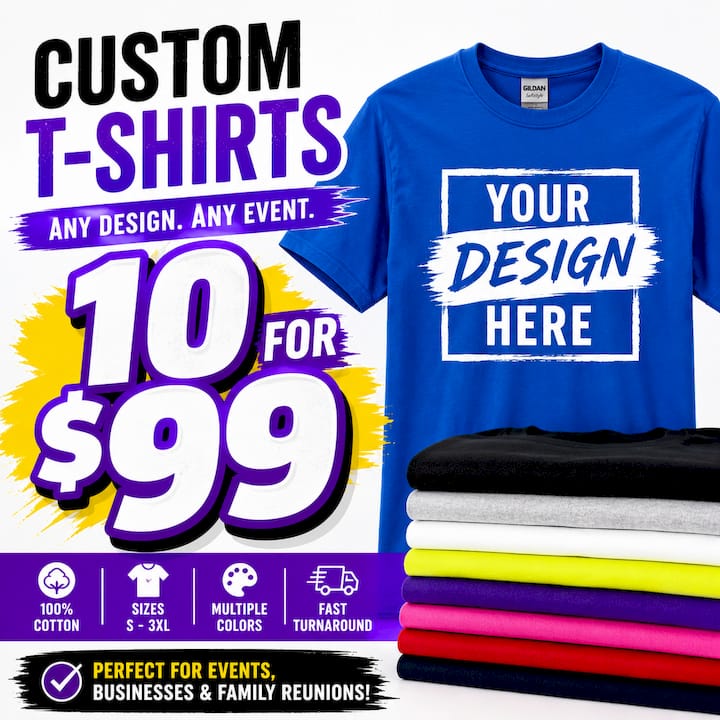
- Bulk pricing starts at 10 shirts for $99, ideal for class sets or small team orders.
- Fast turnaround keeps you on schedule for spirit week or a homecoming deadline.
- US-based fulfillment in Florida and Massachusetts means your order doesn’t sit in overseas shipping limbo.
- Full color and size range so one design works across the whole roster.
- Technical specs on logo placement and sizing are available if your art team needs exact measurements before submitting files.
Matching Designs to the Occasion
Not every shirt on your list needs to serve the same purpose, and mixing up categories is where a lot of budgets get wasted. Spirit shirts generally fall into three buckets: class-wide identity shirts, event-specific apparel, and individually personalized items. Knowing which bucket you’re filling before you start designing saves real money.
Class shirts are built for the whole grade or school, so they need broad appeal and a design that survives a bulk print run without per-unit customization. Senior shirts work differently. They’re often bulk-ordered too, but the graduation year usually dominates the graphic, and some schools add individual names on the back, which shifts production toward DTG or DTF.
Event-specific shirts, like a homecoming dance tee or a fundraiser drop, tend to be simpler and shorter-run, since they only need to last one weekend. Sports and team editions carry player numbers or team names and usually get ordered in smaller batches tied to a roster. Spirit week is the outlier: five days, five themes, which means either five small-batch designs or one flexible shirt worn with different accessories each day. Trying to cover all five categories with one shirt design usually disappoints somebody. Splitting your budget across two or three of these categories, rather than one giant order, tends to serve more students without overspending on a single run.
Using School Colors and Mascots the Right Way
Your school colors and mascot are already doing half the design work, so the real skill is not burying them. A common mistake is cramming four or five colors into one graphic when two would communicate the same identity more clearly, and print more cleanly. Pick a dominant color for the shirt itself, then use your secondary color for the mascot or text, and save a third accent color for small details like an outline or a single word.
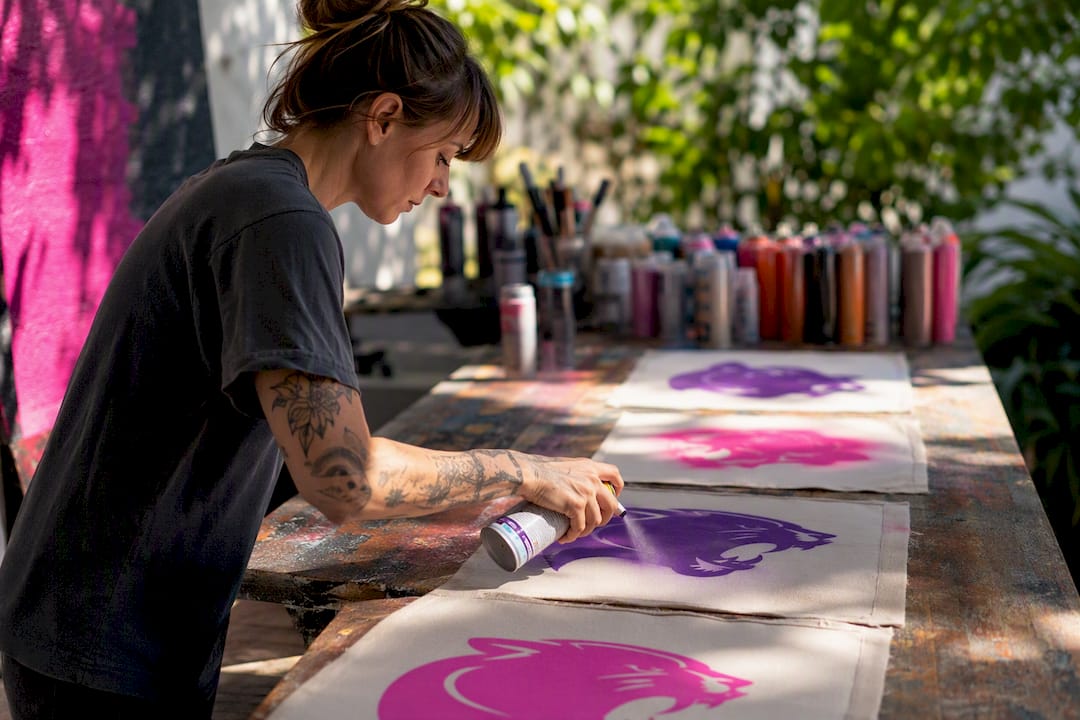
Mascot artwork works best simplified. A detailed, shaded illustration might look sharp on a screen, but flattened into two or three solid colors, it holds up far better across a full print run and looks consistent from the front row to the back of the gym. If your mascot already has an official athletics department logo, use that file rather than redrawing it. Consistency across shirts, banners, and gear builds a stronger visual identity over time than a slightly different mascot version every year.
Color placement matters, too. A gold mascot on a white shirt reads differently than the same graphic on navy. Test your combination against both your lightest and darkest shirt color before finalizing anything, since contrast that looks fine on screen sometimes disappears once it’s printed on fabric.
Designing for Every Student, Not Just Some
Spirit shirts work best when every student can see themselves wearing one, which means thinking past the loudest group in the room. Avoid slogans or imagery tied to a single clique, team, or grade level if the shirt is meant for the whole school. The all-school pride format, built around just colors and a simple mark, tends to serve this purpose better than a design that only speaks to varsity athletes or student government.
Sizing inclusivity matters as much as design. Offer a genuine range, not just small through extra-large, so students of every body type can wear the same shirt as their friends. Unisex cuts also remove a layer of awkwardness for students who don’t want to choose between a “men’s” or “women’s” fit label.
Language and imagery deserve a second look, too. A mascot or slogan that felt harmless a decade ago might land differently with today’s student body. Running your shortlist by a mixed group of students, including newer transfers and students from different clubs and backgrounds, catches blind spots that a single design committee often misses. It costs nothing but a little extra time, and it usually produces a design more students actually want to wear.
Getting Students and Staff Involved in the Design Process
Shirts designed entirely by staff sometimes miss what students actually want to wear, so the most successful spirit gear usually goes through some kind of student input round. A simple survey, even three or four multiple-choice questions on color scheme, slogan tone, and mascot style, tells you more than guessing.

Running a mini design contest works well for art or graphic design classes. Even if the final shirt gets professionally cleaned up for print, using a student’s original concept as the base builds ownership across the school, not just among the committee that picked it. Student council or class officers can help narrow a shortlist of three or four options down to one, which also spreads accountability if the final design isn’t universally loved.
Staff involvement matters, too, particularly for all-school pride shirts meant to be worn by teachers and administrators alongside students. A quick poll in a staff meeting, or a mockup posted in a shared space with sticky notes for feedback, takes minutes and prevents the awkward situation where staff quietly avoid wearing a shirt they never had a say in.
Choosing Materials and Printing With Sustainability in Mind
Fabric choice affects both comfort and environmental footprint, and it’s worth a conversation before you finalize your order. 100% cotton tees are breathable, durable, and biodegrade far more readily at end of life than polyester or poly blends, which shed microplastics in the wash over their lifespan.
Print method matters here, too. DTF and DTG use less water than traditional screen printing’s washout process, since there’s no ink-filled screen to rinse between jobs. For smaller orders, this cuts down on wastewater without sacrificing print quality on detailed designs.
Ordering smart also reduces waste in a less obvious way: fewer, better designs mean less leftover stock. A shirt nobody wants to wear ends up in a donation bin or a landfill, so the three-design approach isn’t just a buying strategy, it’s a practical way to avoid overproduction. Sizing your order closer to your actual headcount, rather than padding it “just in case,” matters more for sustainability than any single fabric choice.
Bringing in Trends Without Dating Your Design
Pop culture references can make a spirit shirt feel current, but they age fast if you lean too hard into a single meme or show. The safer move is borrowing a trending format, like a retro sports-card layout or a bold sticker-style graphic, rather than a specific joke or catchphrase that might feel stale by next semester.
Typography trends shift quickly, too. Bubble letters, varsity serif fonts, and hand-lettered script all cycle in and out of favor, so pairing a trendy font with a timeless mascot mark tends to age better than chasing a font trend on every element at once. Color trends matter less than you’d think, since school colors are fixed, but the way you apply them (a muted, vintage-washed tone versus a bright, saturated print) can still feel current or dated depending on the year.
If you want to test a trend without committing your whole order to it, run it as a limited event drop rather than the class-wide identity shirt. That way, if the style doesn’t land, you’ve only printed a small batch, not the whole senior class order.
Order Your Spirit Shirts With Shay’s Print Shop
Three designs, one order, done. Shay’s Print Shop is built for exactly the plan this article laid out: pick your identity design, your everyday design, and your seasonal drop, then place one order instead of juggling three separate print jobs. The 10 for $99 custom t-shirt package covers 100% cotton tees with your own logo, mascot, or slogan, printed with DTF and shipped fast from US-based production.
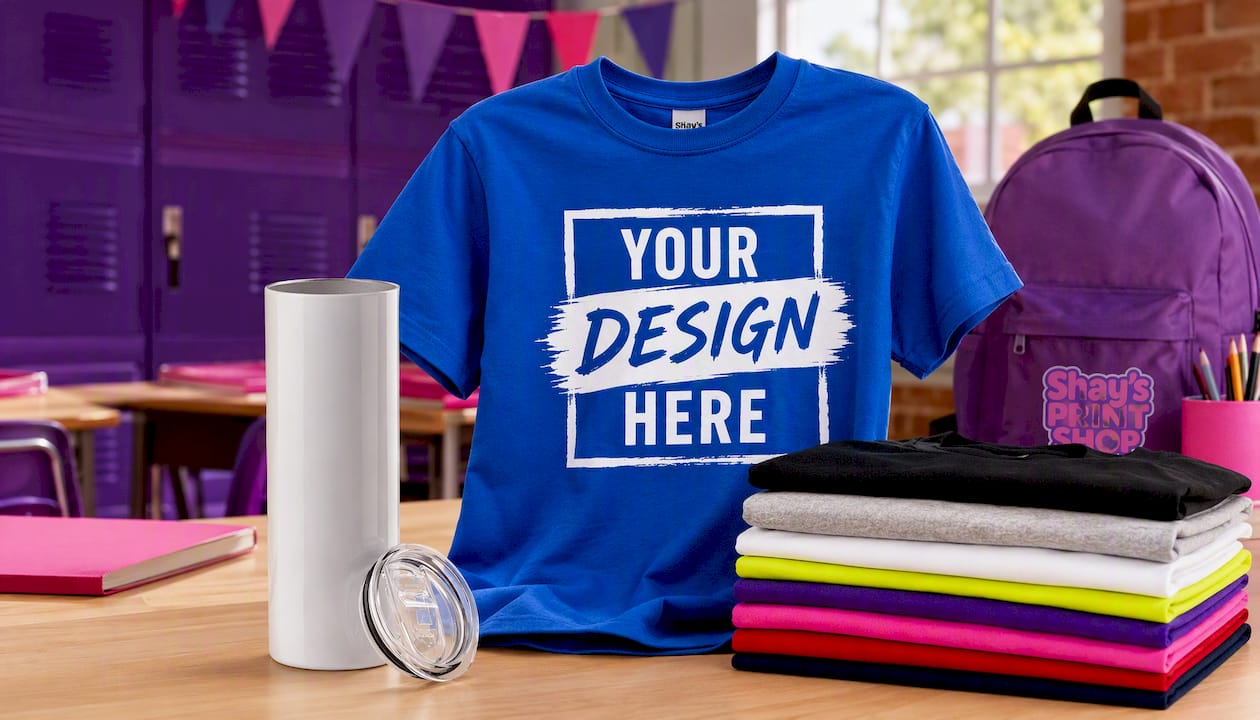
If your event calls for more than shirts, a class fundraiser or booster meet-and-greet often rounds out nicely with custom mugs or a personalized tumbler for staff and volunteer gifts. For senior class personalization projects that extend beyond shirts, like matching graduation invitations, invitation design resources pair well with a senior shirt order. Start your shirt order now, upload your art, and check sizing before your deadline hits.
Why Testing Beats Guessing Every Time
I once watched a booster club order 200 shirts based on a design the committee loved, only to find out students thought the mascot looked more angry than fierce. Nobody wore them past October.
The fix costs nothing: show your mockup to five actual students before you print a single unit, not five staff members. Test it on the people who’ll wear it.
— Jon Will
Sources
For format inspiration, see Varsity Vault’s design guide and Bear Grips Pro Shops’ templates. For sizing and specs, check logo placement guidelines or the front vs. back print guide.
Recommended
- Sports Team T-Shirts: Bulk Custom Tees for Every Squad – Shay’s Print Shop
- Family Reunion T-Shirt Ideas: Florida’s Best for 2026 – Shay’s Print Shop
- Church T-Shirt Ideas for Groups and Events in Massachusetts – Shay’s Print Shop
- Fundraising T-Shirt Printing: Bulk vs. Preorder Explained – Shay’s Print Shop
0 comments