

For small batches with detailed graphics, go with DTF or DTG. For big bold drops printed at scale, screen printing wins on cost. That’s the short answer, and it’s the one most streetwear founders need before they spend a dollar on samples.
The custom t-shirt printing market keeps expanding as more small labels launch with print-on-demand models instead of warehouses full of blanks. Here’s how to move fast without guessing:
- Pick your blank first. Heavyweight 100% cotton holds ink better and gives you that boxy streetwear drape.
- Prep your files right. Vector art (AI or PDF) for spot-color screen prints, high-res PNG (300+ DPI) for DTG or DTF.
- Get a sample before you commit. A physical proof catches color and placement issues no screen ever will.
Plastisol ink and water-based finishes aren’t interchangeable choices, they’re different products with different hand feel, and picking the wrong one is the most common mistake new brands make on their first run.
Shay’s Print Shop handles both on-demand orders and bulk runs, which means you don’t have to pick a lane before you know your volume.
Key Takeaways
Matching print method to run size and garment weight, then confirming quality with a real sample, determines whether a streetwear drop holds up past the first wash.
| Point | Details |
|---|---|
| Match method to volume | Use DTF or DTG for small detailed runs, screen printing for large bold drops. |
| Budget for setup costs | Screen printing carries setup fees per color; digital methods skip that step. |
| Build in buffer time | Plan sample approval, production, and shipping with extra days before a drop date. |
| Vet printers before ordering | Ask about blanks, wash testing, minimums, and transparent pricing tiers. |
| Start small with Shay’s Print Shop | The 10 for $99 package offers heavyweight cotton and DTF printing for test runs and scalable bulk orders. |
Table of Contents
- Which Printing Method Fits Your Streetwear Design?
- How Much Does Streetwear T-Shirt Printing Cost?
- How Do You Choose a Reliable Streetwear Printer?
- What Does the Ordering Process Look Like?
- What Does Shay’s Print Shop Offer Streetwear Brands?
- What Do Founders Get Wrong Most Often?
- Where Can You Learn More About Streetwear Printing?
- Ready to Print Your Streetwear Drop?
- Frequently Asked Questions
- Sources
Which Printing Method Fits Your Streetwear Design?
Every method has a sweet spot, and matching it to your run size saves you money and headaches. Screen printing dominates when you need bold, high-opacity graphics across a large quantity. DTF and DTG take over when your design has gradients, photo elements, or you’re only printing a handful of shirts to test a concept.
The choice is not only about budget. It’s about finish. Streetwear brands leaning into “jumbo” chest or back prints often stick with plastisol or specialty inks for the thick, durable opacity they deliver, while digital methods handle detailed or small-batch work that would make screen setup a waste of money. Heat transfer vinyl fills the gap for single-color accents, small logos, or short runs where setting up a screen doesn’t make sense. You can dig deeper into the technical tradeoffs between DTG and DTF if you’re still deciding.
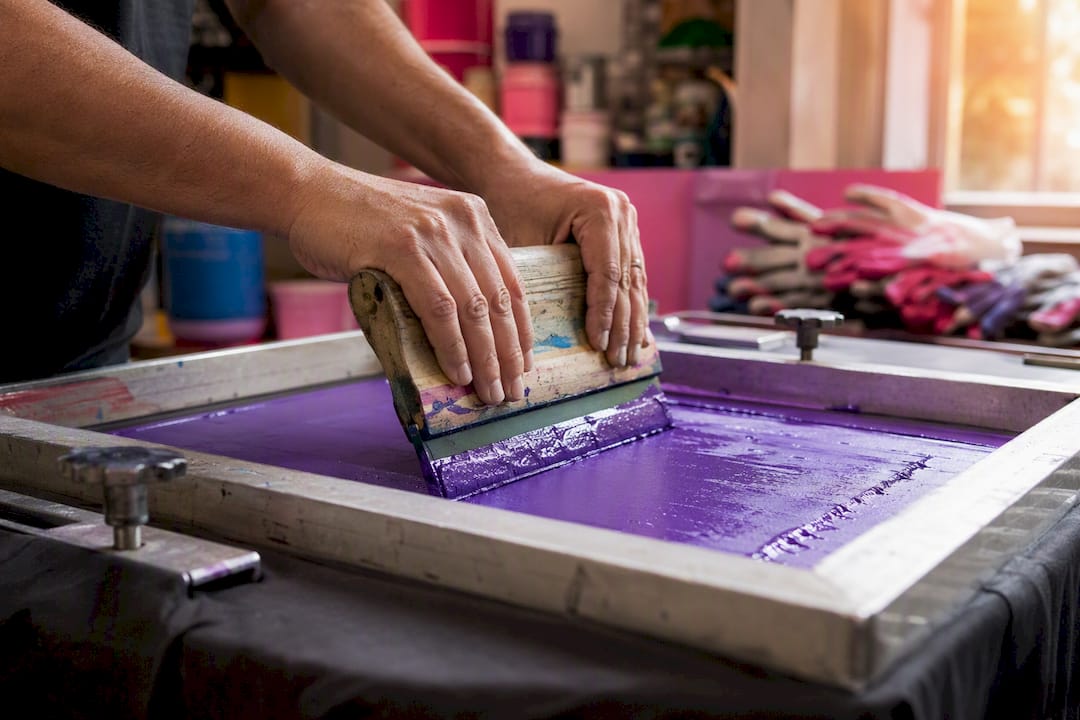
Pro Tip: Oversized prints crack faster on heavyweight cotton if the ink layer is too thin. Ask your printer whether they use a thicker plastisol lay or a specialty puff/discharge finish for jumbo graphics, and always request a wash-test sample before locking in a full order.
How Much Does Streetwear T-Shirt Printing Cost?
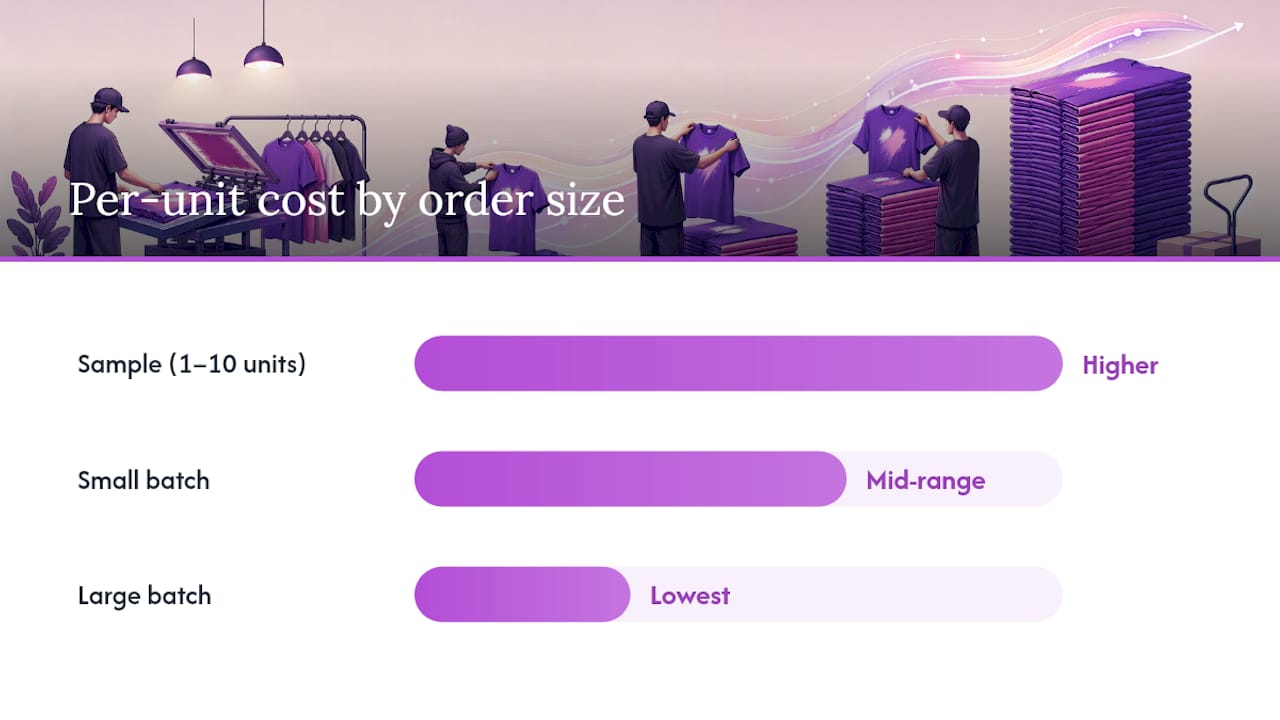
Pricing breaks into a few predictable buckets: the blank garment, any setup or screen fees, per-unit print cost, and optional extras like custom labels or packaging. Setup fees matter most for screen printing since each color needs its own screen, while DTF and DTG skip that step entirely, which is why they’re friendlier for testing new designs before committing to volume.
| Order size | Typical price shape | Notes |
|---|---|---|
| Sample (1–10 units) | Higher per-unit cost | Best for proofing color and fit before a drop |
| Small batch | Mid-range, discounts kick in | Bulk packages like 10 shirts for $99 fit here |
| Large batch | Lowest per-unit cost | Screen printing usually wins here on economics |
Timeline callout: Plan roughly a few days for sample approval, then a similar window for production, then add shipping. If you’re launching a limited drop, build in buffer time. A drop date set too close to your production window is the single fastest way to disappoint a waiting audience.
Bulk buyers planning events or team orders should check bulk t-shirt ordering practices for how lead times shift as quantity climbs, and Florida-based founders can compare regional custom t-shirt pricing benchmarks before finalizing a budget.
How Do You Choose a Reliable Streetwear Printer?
A good vendor makes the decision easy. A bad one hides the details you need most. Run through this checklist before you commit to a supplier:
- Check the blanks they use. Ask for the exact brand and weight of their cotton tees, not just “premium quality.”
- Confirm available print methods. A shop offering DTF, DTG, and screen printing can grow with you as your order sizes change.
- Review their sample and mockup policy. Real product photos beat rendered mockups every time.
- Get pricing in writing. Transparent bulk-discount tiers should be visible before you ask, not revealed after negotiation.
- Ask about turnaround and shipping. A printer who can’t name a timeframe usually can’t hit one.
Before signing off, ask pointed questions: What file formats do you need? How do you handle color matching across print runs? Do you wash-test for durability? What’s your minimum order, and does it change with design complexity?
Watch for red flags: vague answers about quality control, no willingness to share real product shots, no mention of washability, or setup fees that appear only after you’ve placed an order. Review widgets and verified customer badges are a quick way to separate printers who back up their claims from ones who just say the right things.
What Does the Ordering Process Look Like?
Placing your first order gets a lot less intimidating once you know the sequence:
- Pick your blank and size run. Decide on garment weight and the size breakdown you’ll need.
- Finalize your artwork. Vector files (AI/PDF) for spot colors, or 300+ DPI transparent PNGs for digital printing, matched to the correct color profile.
- Request a mockup and physical sample. Never skip this step, even for a design you’re confident in.
- Approve the proof and place your production order. This locks in quantity, sizing, and finish.
- QA, packaging, and shipping. Your printer inspects for defects before boxing and sending your order out.
Pro Tip: If you’re screen printing a multi-color design, ask your printer about spot-color separations early. Layered files that separate colors cleanly can cut setup costs and shave days off turnaround.
One more thing before you sell anything: make sure your design doesn’t lift someone else’s copyrighted art or trademarked logo. It’s a fast way to lose a drop before it starts.
What Does Shay’s Print Shop Offer Streetwear Brands?
Shay’s Print Shop runs on 100% cotton blanks and DTF printing, which gives you the durable, detailed finish streetwear graphics need without committing to a warehouse of stock. The 10 for $99 custom t-shirt package is built for exactly the kind of small, test-the-market run most new labels start with, and pricing gets more efficient as you scale into bigger drops.
| What you get | Details |
|---|---|
| Garment | 100% cotton, heavyweight streetwear feel |
| Print method | DTF for detail and durability |
| Entry package | 10 shirts for $99 |
| Add-ons | Custom labels, hang tags, branded packaging |
| Fulfillment | US-based, fast turnaround |
A brand’s first order is really a test of the printer, not just the design. Getting a real sample in hand before scaling up is the difference between a smooth drop and a costly reprint.
Need matching merch beyond shirts? The custom tumbler line is worth a look if you’re building out a bundle for your next launch.
What Do Founders Get Wrong Most Often?
The mistake I see repeated most is picking a trendy blank without checking how it actually prints. A boxy oversized tee looks great on a mockup, but if the fabric blend doesn’t hold ink evenly, your bold graphic ends up patchy after two washes.
The fix is boring but it works: order a sample before you order a drop, and ask your printer directly how their ink handles heavyweight cotton. Hand feel and durability aren’t things you can eyeball from a photo.
Where Can You Learn More About Streetwear Printing?
- Grand View Research for market trends and demand data.
- Gooten’s POD hoodie page for a look at premium on-demand options.
- Charlotte Dobre’s merch shop as an example of a direct-to-fan storefront.
Ready to Print Your Streetwear Drop?
You’ve seen the tradeoffs between screen printing, DTF, and DTG, and where each one saves you money depending on your run size. Shay’s Print Shop is built for the founder stuck between those options: heavyweight 100% cotton blanks, DTF printing for detail, and bulk pricing that gets more efficient as your order grows, without forcing you to commit to a warehouse of inventory first.
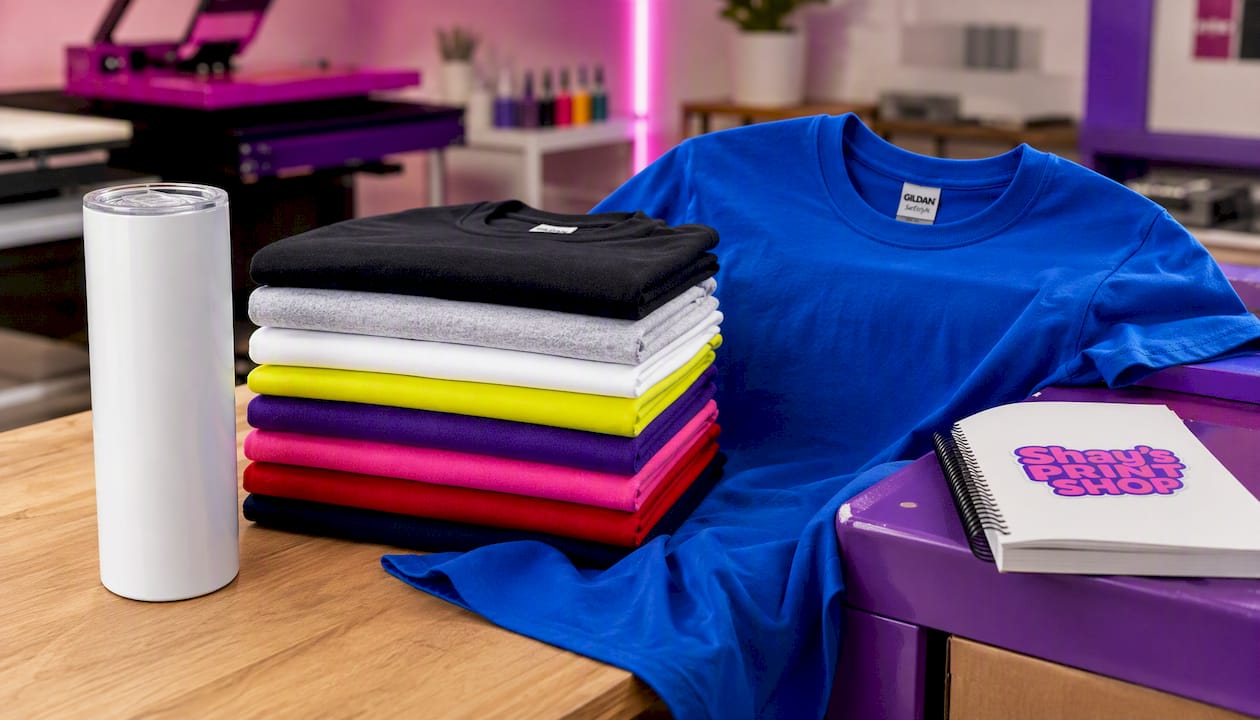
If you’re testing a new graphic before a full drop, the 10 for $99 custom t-shirt package gives you real samples in hand at a price that makes sense for a small run. Planning a bigger launch with matching merch? Check the custom tumbler options to round out your drop. Start your order today and get your design on a shirt that actually holds up.
Frequently Asked Questions
What’s the best printing method for a small streetwear brand? DTF or DTG suits most small streetwear brands starting out, since both handle low minimums and detailed graphics without screen setup fees.
Is screen printing worth it for a new brand? Only once you’re ordering in bulk. Screen printing gets cheaper per shirt at higher volumes but carries setup costs that don’t pay off on small runs.
How long does streetwear t-shirt printing take? Expect a sample approval period, a production window, and shipping time on top of both. Build buffer days into any drop date.
Do I need a sample before placing a full order? Yes. A physical sample confirms color accuracy, print placement, and fabric hand feel in ways a digital mockup can’t.
Can I add custom labels or packaging to my order? Many printers, including Shay’s Print Shop, offer custom labels, hang tags, and branded packaging as add-ons to a standard print order.
0 comments